Same-Day Free Estimates with 30-Minute Arrival Windows for Collin and Dallas County areas Since 1977.
How to Childproof Your Garage Door: A Safety Guide for DFW Families
Garage doors are the largest moving mechanical systems in most homes — and one of the most underestimated hazards for young children. A standard residential garage door can weigh between 150 and 400 pounds and moves on a spring-and-cable system under significant stored tension. For families in Coppell, McKinney, Murphy, and across the DFW Metroplex where the garage is the primary entry point to the home, the door operates multiple times every day with children present.
The good news is that most garage door child safety measures are straightforward — some are things you can test and set up in fifteen minutes, others are mechanical features worth knowing about when your next door reaches end of life. This guide covers both.
The Auto-Reverse System — Your First Line of Defense
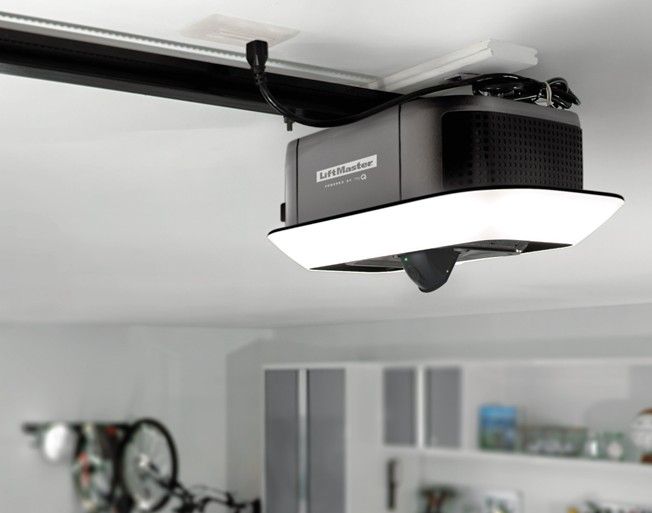
Every residential garage door opener sold in the United States since 1993 is required to have an auto-reverse mechanism. Most modern openers have two separate systems working together.
Mechanical Auto-Reverse
When the door contacts an obstruction during closing, it automatically reverses. This is the fundamental protection designed to prevent a door from closing on a child or pet. The force setting on your opener determines how sensitive this response is — if it is set too high, the door will complete its cycle even against meaningful resistance. Testing this is simple: place a 2x4 flat on the ground directly in the path of the door and press close. The door should reverse immediately on contact with the board. If it doesn't reverse — or reverses only after significant pressure — the force limit needs adjustment by a technician.
Photoelectric Safety Sensors
The two small sensors mounted near the floor on either side of the door send an invisible infrared beam across the opening. If anything breaks the beam while the door is closing, the door stops and reverses. These sensors are effective but have a specific limitation: they only detect objects that break the beam while the door is actively closing. They do not detect a child who crawls under the beam or is already inside the door's path before the cycle begins. Testing is simple: wave your hand through the beam while the door is closing — it should reverse immediately.
What Most DFW Parents Miss
Remote Controls Left in Vehicles
Visor-mounted remotes and dashboard clips make garage door openers easily accessible to children who are left in or around a vehicle, even briefly. A child who finds a remote in an unlocked car can operate the door without any adult awareness. Keep remotes in a glove compartment or take them with you and consider switching to a smartphone-based opener control via MyQ — which requires a passcode to operate — as a more secure alternative to a physical remote for households with older children.
Keypad Codes That Children Know
Exterior keypads are convenient but become a liability when children share the code with friends or use it to let themselves in and out unsupervised. In the DFW suburbs — where children in McKinney, Coppell, and Frisco frequently bike between houses — a shared keypad code can mean the garage is accessible to an entire neighborhood. Set a code that children can use for legitimate access but change it periodically and consider setting a temporary code for visitors that you can delete remotely via MyQ.
The Wall Button Height and Cover
The interior wall button that controls the door should be mounted high enough that toddlers cannot reach it — generally at adult shoulder height or above. Most wall buttons can also be locked using the lock function on the control panel, which disables all remotes and keypads while still allowing wall-button operation. For families with very young children, this is worth using consistently during hours when the garage is not in active use.
The Emergency Release Cord
The red cord hanging from the opener trolley is the manual disconnect — pulling it disengages the door from the opener so it can be lifted manually. Children who discover this cord can disengage the opener, allowing the door to be pushed open from the outside with no resistance. If you have young children who spend time in the garage, consider tying the cord up out of reach or replacing the standard cord with a shortened version that is not accessible from the floor.
Features to Look For on Your Next Door
If your current door is approaching replacement age, these are the features worth specifying for families with children:
- Pinch-resistant panels — sections designed with a finger-clearance gap between panels that prevents fingertips from being caught as the door folds during operation. Standard on most premium doors; worth confirming when selecting a replacement.
- Battery backup opener — maintains door operation during power outages, preventing a situation where a power failure traps a child inside or leaves the garage without working sensors
- MyQ-enabled opener — allows parents to monitor door status and receive open/close alerts from anywhere, and to close the door remotely if a child has left it open
- Motion-sensing wall light — illuminates the garage automatically when someone enters, eliminating the safety hazard of children navigating a dark garage to reach the wall button
The Annual Safety Check Every DFW Family Should Run
Run these four tests once a year — takes under 10 minutes:
- Place a 2x4 flat under the closing door — it must reverse on contact
- Wave your hand through the sensor beam while the door closes — it must stop immediately
- Disconnect the opener and lift the door to waist height — it should hold without dropping
- Check the wall button is mounted above toddler reach and the lock function is working
If the door fails the auto-reverse test or the sensor does not stop the door, do not continue using the door until those systems are assessed by a technician. These are safety mechanisms, not convenience features.
When to Call a Professional
Any mechanical issue that affects how the door closes — grinding, uneven movement, a door that reverses before touching the ground, or one that does not reverse when it should — needs professional attention before the safety systems can be relied on. A door that closes unevenly puts asymmetric force on the tracks and can create unpredictable behavior during the cycle.
For families in Coppell, our garage door repair in Coppell team can assess auto-reverse calibration, sensor alignment, and spring balance in a single visit. McKinney and Collin County homeowners can schedule through our garage door services in McKinney page. For the full annual maintenance routine beyond safety checks, see our annual maintenance checklist — it covers lubrication, hardware inspection, and balance testing in detail.
Recent Posts