
Same-Day Free Estimates with 30-Minute Arrival Windows for Collin and Dallas County areas Since 1977.
November 19, 2017
Angie’s List Q&A content to be Published
1. How can a homeowner tell the difference between a quality garage door opener and one that’s not so great? What should they look for when shopping? (any warranty on openers?)
There are two main factors: Rail construction and Warranty. If the rail is included inside the box on the shelf with the motor unit, it is likely a contractor grade opener. Retail stores cannot afford the shelf space to keep solid “one piece” opener rails in stock with the units at their price point.
Quality openers in our industry will include a Lifetime Warranty on the Motor and the drive mechanism (either the belt, the screw rail, or the chain). Sometimes the manufacturer will package excessive accessories to mask the fact that the opener is lacking in other areas.
2. Can a garage door opener be installed on any type of garage door? What would necessitate the purchase of a new garage door (if anything)?
With the variety of garage door openers on the market, there is a garage door opener for just about every application. However, there are a few red flags that prevent proper installation. Unbalanced garage doors must be adjusted to where they will remain open half way without continuing to roll downward or upward by itself. Homeowners often think that the motor is opening their garage door, but in reality- it’s the torsion springs doing the work. The garage door opener is designed to simply guide the door open and closed.
Stretch springs- located along the side rails of the horizontal upper tracks- can prevent an opener from functioning properly due to their tendency to create a jerking and rocking motion as the door closes. A torsion spring conversion on the garage door is often required in this case.
Garage doors without a reinforcing strut at the top of the top section also require modification. Without a reinforcing strut across the top section, the pressure from the tow-arm that attaches the opener to the door can push or pull too hard and cause the top panel to crease in the center and sag (and sometimes come out of the track completely and land on their car).
And finally, any garage door that lacks the structural integrity to withstand motorized operation will require replacing defective or worn parts, adding reinforcing struts, and in some cases complete garage door replacement.
3. What are the benefits of buying a garage door opener from someone like you rather than buying it from a Home Depot/Lowes? (or, does it not matter?)
Home Depot & Lowes do not have in house customer service. If you can’t get the Homelink or remotes to program, you might wait on hold for a half hour or more with the manufacturer’s 1-800 number, but if you use reputable local companies, they should have staff that can walk you through troubleshooting issues.
Availability. If your garage door is 8’ tall, over-sized width, contains wood or added materials, or requires special operation (overhead storage, attic stairways, light fixtures, high lift, low headroom, etc.); then you are out of luck. It takes anywhere from 3 to 8 weeks to order anything other than what you see on the shelf- which usually isn’t the ideal opener for your garage door. Many of the optional accessories for different brands aren’t available in stock- such as additional remotes for large families.
Convenience factor. Lowe’s & Home Depot are not service oriented companies, most of the time they subcontract labor as a “next-available” schedule- which often times can be several weeks down the road.
On the job adaptation. Many new openers with Wi-Fi compatibility require Homelink Repeater Kits in order to work with your vehicle. You can wait for Homelink to send you a kit in the mail, or you can have it installed for you during installation with a reputable local garage door company.
4. Should a homeowner attempt to install a new garage door opener on his/her own? Or should they leave that task to the experts? Why?
Most homeowners can install a garage door opener on their home over a weekend. The most common feedback we get is that it takes them roughly 10-12 hours. Professional installation takes anywhere from 45 minutes to 2 hours depending on the accessories. Assembling the opener and removing the old garage door opener are fairly simple, but programming and setting the force settings, travel limits, and mounting the opener properly to the garage door and ceiling seem to be the hard part. The opener will not operate until you adjust the internal settings to a safe operating zone. Customers tend to think that this project will be just like replacing a ceiling fan, but the fine-tuning required is much more complex.
If you install the opener yourself, you’re on your own (and liable) if something goes wrong. Professional installation usually includes labor warranties that can cover any trips needed to come back out and adjust safety sensors, replace parts under warranty, etc.
5. How much does a garage door opener cost for a two-car garage? What about for a one-car garage?
One car garages typically only require a ¼ or ½ hp opener, while a two car garage door requires a ½ or ¾ hp motor. But usually, the stronger the motor the better the quality of the garage door opener. This is why we sell ¾ hp motor openers at over 95% of our customer’s homes. Customers can expect to pay $150 to $300 retail for a garage door opener.
6. How much do you charge for installation?
Home Depot & Lowes offer installation for $99 to $150. We charge between $125 and $350 plus parts to finish an incomplete installation, or install the opener from scratch.
7. Is the installation process (and cost) different for a garage that’s never had an opener before? (new installation vs. replacement)
Yes. For new construction, or at a home that has never had a garage door opener before; the installation will take longer.
Angle-iron back hangs will need to be added to the ceiling to hang the opener motor from, and all new wiring will need to be added either as “pre-wire” in the walls, or across the ceiling to the sides for the safety sensors, and also for the push button on the wall. Most openers come with wiring included, but some homeowners don’t like how it looks running across the ceiling in all directions.
An electrical outlet and/or junction box will need to be added above the area in which the garage door opener is going to be installed as well. Hard-wiring the opener directly to an existing breaker, or existing wiring is strongly discouraged.
Some companies charge for services such as these (the ones with hourly labor rates), but we do not.
8. Does the type of garage door (steel, composite, wood, etc.) make a difference as to what type of opener you should buy? Definitely. Steel, composite, wooden, fiberglass, one-piece tilt-up, roll-up, high-lift, and low-clearance garage doors each require a different garage door opener for different reasons.
Heavy duty openers (3/4 hp and above) are best suited for oversized, composite, high cycle usage, any garage doors with a thickness of 2.25” or more, and one-piece tilt-up doors. If your garage door falls into these categories, or has an existing ¾ hp unit that needs replacement, do not attempt to install these garage door openers yourself. These doors are much more dangerous, and require special training for proper operation.
Standard garage door openers are good for most garage doors that “came with the house when you bought it”.
High lift (used to open door all the way to the ceiling for car jacks), and low clearance garages (low ceilings or obstructions) typically require jackshaft driven garage door openers that mount to the side of the torsion shaft and don’t take up as much space above the garage door when it opens. Jackshaft garage door openers are rarely available over the counter, and require a VERY skilled professional installer. By Nick McGregor , General Manager of Plano Overhead Garage Door
Tags: Angie's List , Angie's List Garage Door Openers , Life Span of Your Garage Door Opener in Plano , Plano Overhead Garage Door Angie's List , Plano Overhead Garage Door Openers , TX
There are two main factors: Rail construction and Warranty. If the rail is included inside the box on the shelf with the motor unit, it is likely a contractor grade opener. Retail stores cannot afford the shelf space to keep solid “one piece” opener rails in stock with the units at their price point.
Quality openers in our industry will include a Lifetime Warranty on the Motor and the drive mechanism (either the belt, the screw rail, or the chain). Sometimes the manufacturer will package excessive accessories to mask the fact that the opener is lacking in other areas.
2. Can a garage door opener be installed on any type of garage door? What would necessitate the purchase of a new garage door (if anything)?
With the variety of garage door openers on the market, there is a garage door opener for just about every application. However, there are a few red flags that prevent proper installation. Unbalanced garage doors must be adjusted to where they will remain open half way without continuing to roll downward or upward by itself. Homeowners often think that the motor is opening their garage door, but in reality- it’s the torsion springs doing the work. The garage door opener is designed to simply guide the door open and closed.
Stretch springs- located along the side rails of the horizontal upper tracks- can prevent an opener from functioning properly due to their tendency to create a jerking and rocking motion as the door closes. A torsion spring conversion on the garage door is often required in this case.
Garage doors without a reinforcing strut at the top of the top section also require modification. Without a reinforcing strut across the top section, the pressure from the tow-arm that attaches the opener to the door can push or pull too hard and cause the top panel to crease in the center and sag (and sometimes come out of the track completely and land on their car).
And finally, any garage door that lacks the structural integrity to withstand motorized operation will require replacing defective or worn parts, adding reinforcing struts, and in some cases complete garage door replacement.
3. What are the benefits of buying a garage door opener from someone like you rather than buying it from a Home Depot/Lowes? (or, does it not matter?)
Home Depot & Lowes do not have in house customer service. If you can’t get the Homelink or remotes to program, you might wait on hold for a half hour or more with the manufacturer’s 1-800 number, but if you use reputable local companies, they should have staff that can walk you through troubleshooting issues.
Availability. If your garage door is 8’ tall, over-sized width, contains wood or added materials, or requires special operation (overhead storage, attic stairways, light fixtures, high lift, low headroom, etc.); then you are out of luck. It takes anywhere from 3 to 8 weeks to order anything other than what you see on the shelf- which usually isn’t the ideal opener for your garage door. Many of the optional accessories for different brands aren’t available in stock- such as additional remotes for large families.
Convenience factor. Lowe’s & Home Depot are not service oriented companies, most of the time they subcontract labor as a “next-available” schedule- which often times can be several weeks down the road.
On the job adaptation. Many new openers with Wi-Fi compatibility require Homelink Repeater Kits in order to work with your vehicle. You can wait for Homelink to send you a kit in the mail, or you can have it installed for you during installation with a reputable local garage door company.
4. Should a homeowner attempt to install a new garage door opener on his/her own? Or should they leave that task to the experts? Why?
Most homeowners can install a garage door opener on their home over a weekend. The most common feedback we get is that it takes them roughly 10-12 hours. Professional installation takes anywhere from 45 minutes to 2 hours depending on the accessories. Assembling the opener and removing the old garage door opener are fairly simple, but programming and setting the force settings, travel limits, and mounting the opener properly to the garage door and ceiling seem to be the hard part. The opener will not operate until you adjust the internal settings to a safe operating zone. Customers tend to think that this project will be just like replacing a ceiling fan, but the fine-tuning required is much more complex.
If you install the opener yourself, you’re on your own (and liable) if something goes wrong. Professional installation usually includes labor warranties that can cover any trips needed to come back out and adjust safety sensors, replace parts under warranty, etc.
5. How much does a garage door opener cost for a two-car garage? What about for a one-car garage?
One car garages typically only require a ¼ or ½ hp opener, while a two car garage door requires a ½ or ¾ hp motor. But usually, the stronger the motor the better the quality of the garage door opener. This is why we sell ¾ hp motor openers at over 95% of our customer’s homes. Customers can expect to pay $150 to $300 retail for a garage door opener.
6. How much do you charge for installation?
Home Depot & Lowes offer installation for $99 to $150. We charge between $125 and $350 plus parts to finish an incomplete installation, or install the opener from scratch.
7. Is the installation process (and cost) different for a garage that’s never had an opener before? (new installation vs. replacement)
Yes. For new construction, or at a home that has never had a garage door opener before; the installation will take longer.
Angle-iron back hangs will need to be added to the ceiling to hang the opener motor from, and all new wiring will need to be added either as “pre-wire” in the walls, or across the ceiling to the sides for the safety sensors, and also for the push button on the wall. Most openers come with wiring included, but some homeowners don’t like how it looks running across the ceiling in all directions.
An electrical outlet and/or junction box will need to be added above the area in which the garage door opener is going to be installed as well. Hard-wiring the opener directly to an existing breaker, or existing wiring is strongly discouraged.
Some companies charge for services such as these (the ones with hourly labor rates), but we do not.
8. Does the type of garage door (steel, composite, wood, etc.) make a difference as to what type of opener you should buy? Definitely. Steel, composite, wooden, fiberglass, one-piece tilt-up, roll-up, high-lift, and low-clearance garage doors each require a different garage door opener for different reasons.
Heavy duty openers (3/4 hp and above) are best suited for oversized, composite, high cycle usage, any garage doors with a thickness of 2.25” or more, and one-piece tilt-up doors. If your garage door falls into these categories, or has an existing ¾ hp unit that needs replacement, do not attempt to install these garage door openers yourself. These doors are much more dangerous, and require special training for proper operation.
Standard garage door openers are good for most garage doors that “came with the house when you bought it”.
High lift (used to open door all the way to the ceiling for car jacks), and low clearance garages (low ceilings or obstructions) typically require jackshaft driven garage door openers that mount to the side of the torsion shaft and don’t take up as much space above the garage door when it opens. Jackshaft garage door openers are rarely available over the counter, and require a VERY skilled professional installer. By Nick McGregor , General Manager of Plano Overhead Garage Door
Tags: Angie's List , Angie's List Garage Door Openers , Life Span of Your Garage Door Opener in Plano , Plano Overhead Garage Door Angie's List , Plano Overhead Garage Door Openers , TX
Recent Posts
August 20, 2026
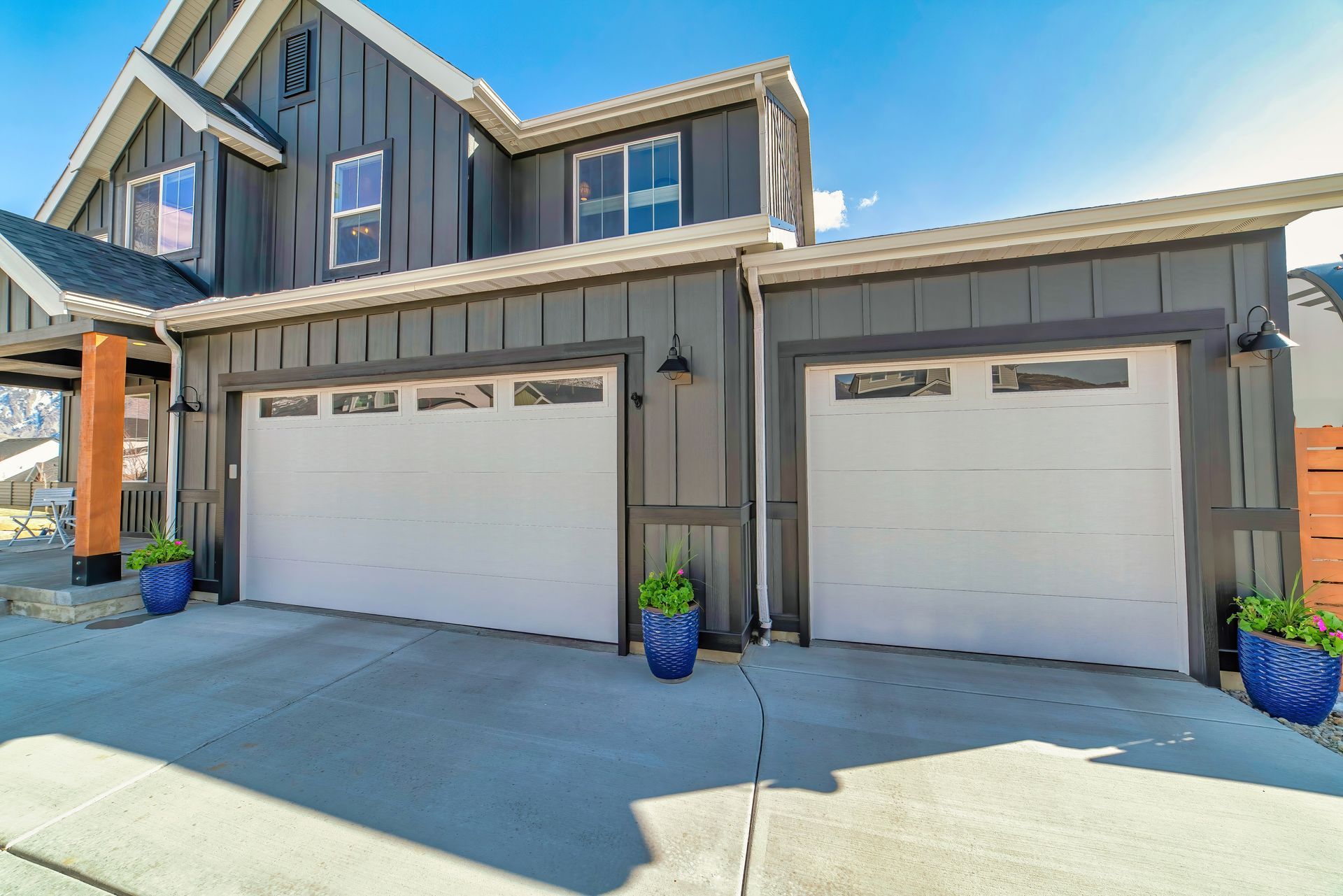
Garage door stuck before work? Run through these quick checks before calling a technician — and know which problems are safe to fix yourself in Dallas.
August 20, 2026
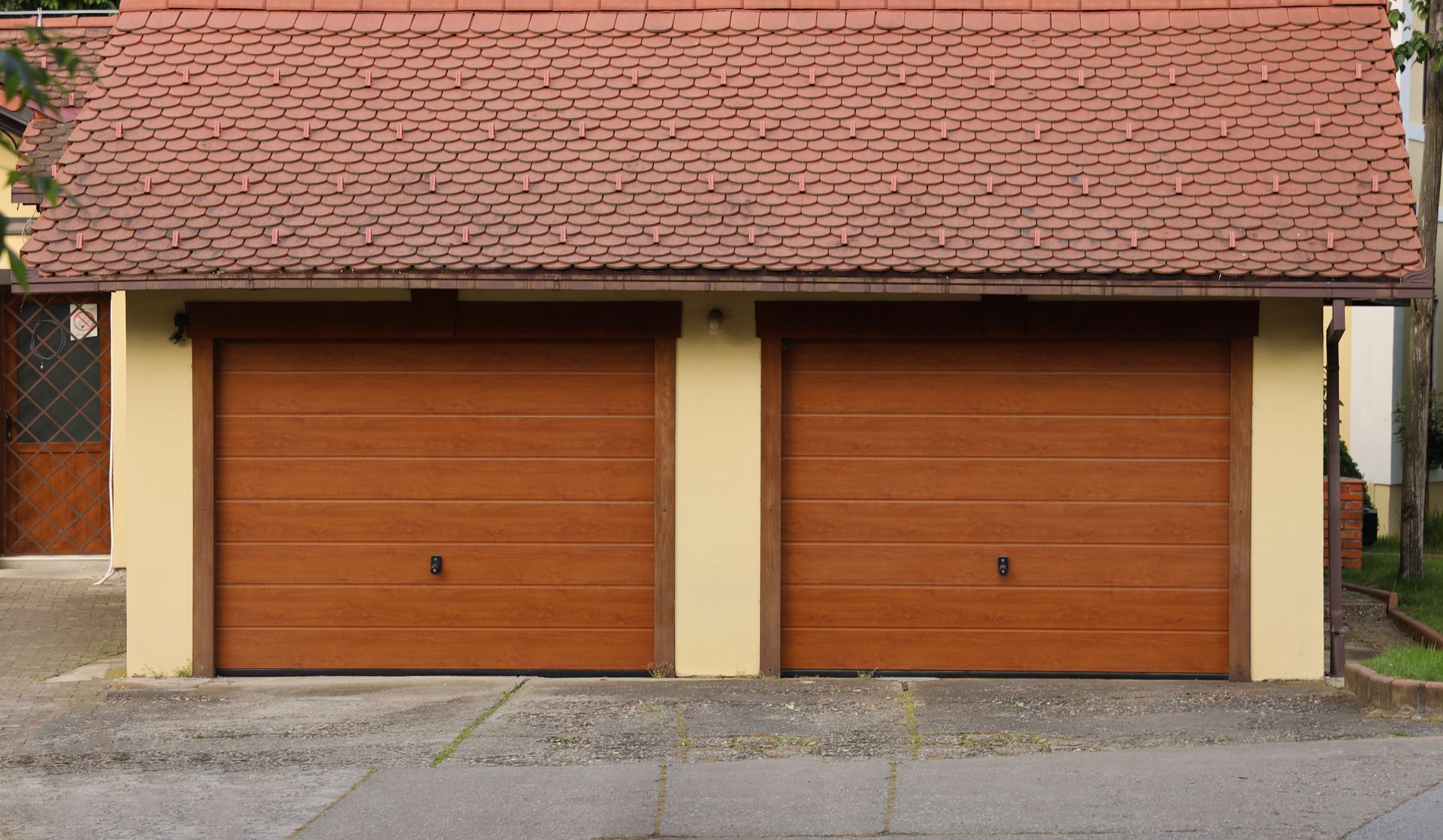
Deciding between steel overlay and wood overlay for your Dallas home? This guide breaks down appearance, durability, maintenance, and which style fits your neighborhood best.
August 20, 2026
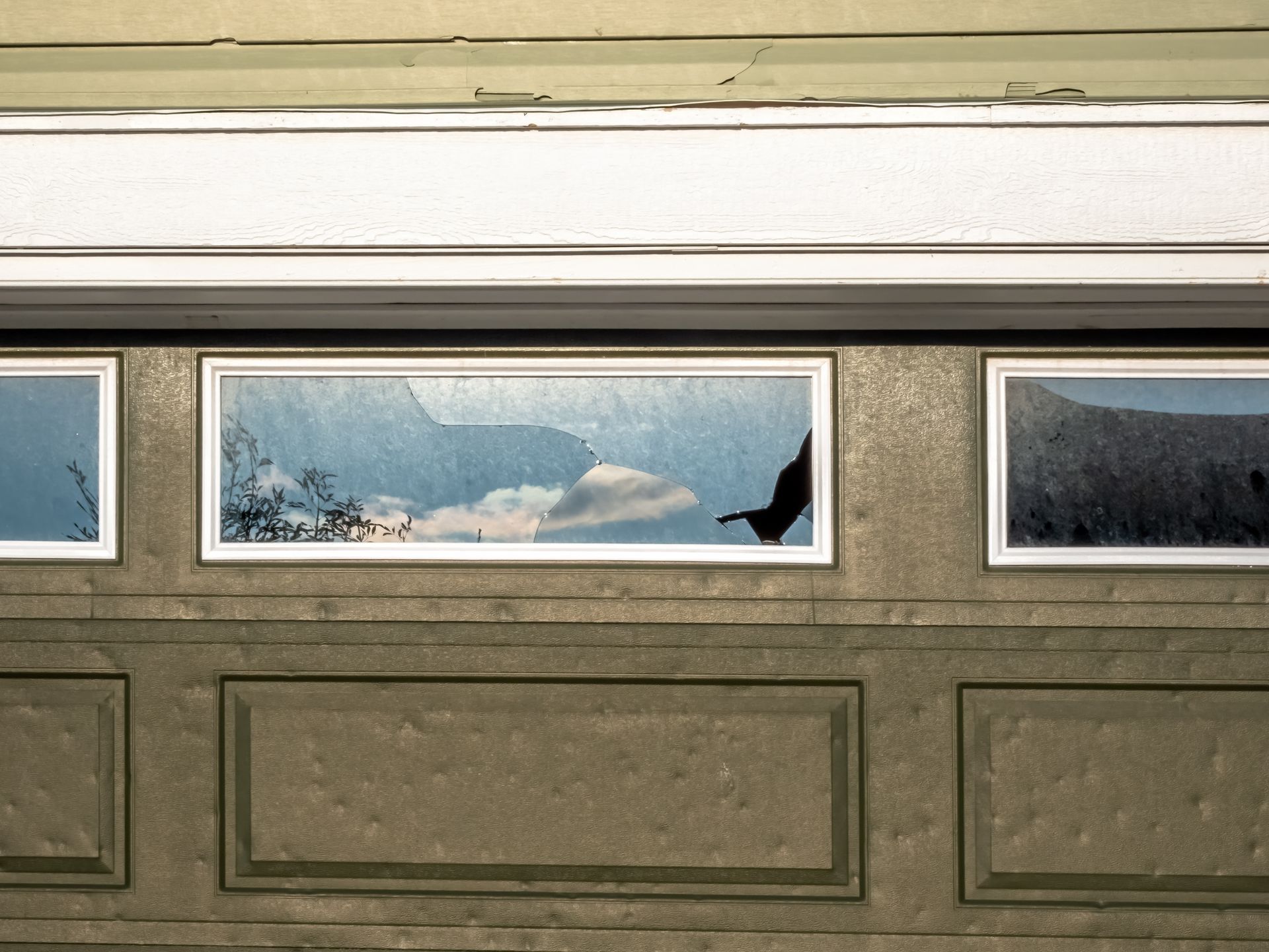
After a DFW hail storm, your garage door needs a check before you drive through it. Here's how to inspect for damage, document for insurance, and know when to replace.





